%2Ffit-in%2F250x250%2Fguide_websites%2F180848%2Fimages%2F1783490792047logo.jpg&w=1920&q=100)
Fresh Atlantic Bonito Catch Carolina Beach
Atlantic Bonito Fishing in Carolina Beach - What to Expect
%2F%2Fusers%2Fd9678b86-0651-4fed-8f5a-65faf7610de0%2Fimages%2Fatlantic-bonito-carolina-beach-catch-2695.jpg&w=1920&q=75)
Fishing, Tours Adventures by Captain Jacob Livengood in July
%2F%2Ffit-in%2F320x320%2Fnull&w=1920&q=100)
%2F%2Ffit-in%2F150x150%2Fnull&w=256&q=95)
- Carolina Beach Fishing Charter & Boat Tours


Summary
Head out on a fishing adventure with Captain Jacob Livengood of Live-N-Good Charters on Wednesday, July for an exciting day targeting Atlantic bonito off Carolina Beach. These hard-fighting fish deliver thrilling action and make for excellent table fare. Whether you're a seasoned angler or picking up a rod for the first time, bonito fishing offers non-stop excitement and the chance to land some seriously impressive catches.
Fishing with Captain Jacob Livengood - Rates & Booking
Captain Jacob Livengood of Live-N-Good Charters on Wednesday, July offers professional bonito fishing trips that deliver consistent action on North Carolina's coastal waters. These fishing adventures are designed for anyone looking to experience real saltwater angling with an experienced local guide who knows exactly where the fish are biting.
To book your bonito fishing trip or inquire about rates and availability, contact Live-N-Good Charters directly. Captain Jacob tailors each outing to match your skill level and fishing goals, whether you're after the thrill of fast-paced action or hoping to stock your cooler with fresh fish for the table. Reserve your spot today and get ready for an unforgettable day on the water.
Highlights of Atlantic Bonito Fishing
Atlantic bonito are one of Carolina Beach's most exciting target species, known for their aggressive strikes and acrobatic fights. These sleek, powerful fish hit hard and run fast, giving anglers the kind of adrenaline rush that keeps them coming back. The waters off Carolina Beach provide ideal habitat for bonito, with consistent populations during the warmer months.
When you land a fresh bonito like the ones in this cooler shot, you're getting a fish that's perfect for the grill, smoker, or your favorite fish recipe. The experience combines the rush of the catch with the satisfaction of knowing you're taking home quality seafood. Captain Jacob's knowledge of local water conditions and bonito behavior means you'll spend more time fighting fish and less time waiting around.
Local Species Insights: Atlantic Bonito
Atlantic bonito are streamlined speedsters of the inshore and offshore waters. These fish are built for speed and agility, with sleek silver bodies marked with distinctive dark stripes along their backs. They're part of the mackerel family and share their relatives' reputation for hard hits and fast runs.
You'll typically find bonito in moderate to warm waters, where they hunt smaller baitfish near the surface and around structure. They're responsive to both live bait and artificial lures, which makes them incredibly fun for a variety of fishing techniques. The Carolina Beach area offers prime bonito habitat, especially during peak season when the water temperatures warm up and the fish become more active.
What makes bonito such a popular target is the combination of action and practicality. They're aggressive enough to keep your adrenaline pumping throughout the day, but they're also great eating. Fresh bonito has a mild, flaky texture that works beautifully in a range of recipes. Many local anglers consider a successful bonito outing to be the perfect blend of sport and supper.
Captain Jacob's experience reading the water and understanding bonito behavior patterns puts you in position to connect with these fish consistently. Whether you're fishing deep channels, along structure, or in open water, the captain knows how to locate bonito and keep them interested. The fight itself is something special - these fish don't give up easily and will test your skill and your gear.
Fishing in Carolina Beach: Atlantic Bonito
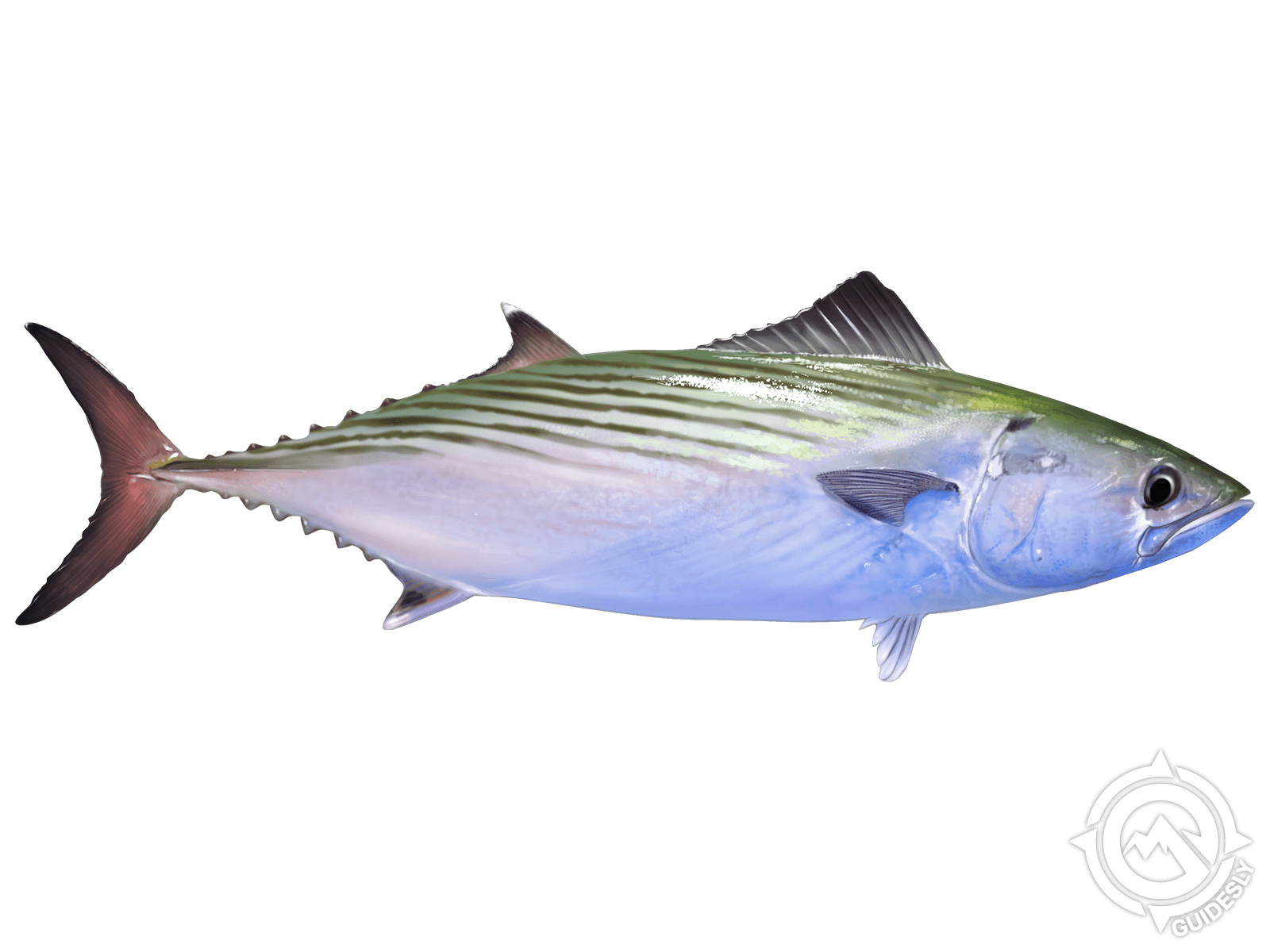
The Atlantic Bonito (Sarda Sarda) is a sleek, high-speed predator belonging to the Scombridae family within the order Perciformes. This mackerel-like fish is instantly recognizable by its silver body adorned with a blueish-green dorsal fin and striking black stripes running along its sides. Often mistaken for white tuna or called by its alternate names—false albacore or little tunny—the Atlantic Bonito is a fascinating species that commands respect among coastal anglers. What makes this fish truly remarkable is its torpedo-shaped body with an exceptionally narrow caudal peduncle, which enables it to rocket through the water at speeds reaching 40 mph. Whether you're fishing the Atlantic coast or exploring marine ecosystems, encountering a feeding school of Atlantic Bonito is an unforgettable experience that showcases nature's raw power and efficiency.
Atlantic Bonito Overview
The Atlantic Bonito is a pelagic powerhouse found throughout the Atlantic Ocean's coastal waters, ranging from Nova Scotia in the north all the way down to Argentina in South America. This migratory species thrives in nearshore and reef environments, and while it's scarce in the Gulf of Mexico, it's incredibly abundant along the eastern seaboard. The fish is particularly popular in Mediterranean and Black Sea regions, where it's often canned and consumed as a food staple. In the United States, however, the Atlantic Bonito is rarely used for consumption due to its oily composition, making it a catch-and-release favorite or occasional baitfish for anglers pursuing larger game species.
Atlantic Bonito Habitat and Distribution
Atlantic Bonito inhabit coastal Atlantic waters extending from Nova Scotia southward along the entire eastern seaboard through to Argentina. These fish prefer pelagic (open water) environments rather than bottom-dwelling zones, and they're most commonly encountered in nearshore and reef habitats. They've adapted to gradual temperature transitions and thrive best in water temperatures ranging from the 60s, though they can survive in waters as cold as the 50s. Occasionally, they venture into brackish saltwater areas, but their primary domain remains the open Atlantic. Their presence in the Mediterranean Sea and Black Sea demonstrates their adaptability to varied marine environments, where they've become an important commercial species for canning operations.
Atlantic Bonito Size and Weight
Typical Atlantic Bonito specimens range from 8 to 36 inches in length, with average weights between 10 to 12 pounds. However, these fish can grow considerably larger under optimal conditions, with documented sizes reaching up to 30 inches and weights approaching 12 pounds for common catches. The world record specimen is a remarkable 18 pounds 4 ounces, caught in the Azores and standing as a testament to the species' growth potential. The average lifespan of an Atlantic Bonito is approximately 15 to 18 years, allowing them to reach substantial sizes in their maturity. For anglers, this size range makes them an exciting target—large enough to provide a thrilling fight yet manageable enough for recreational fishing success.
Atlantic Bonito Diet and Behavior
The Atlantic Bonito is a ram ventilator, meaning it cannot bite and must consume prey whole. This unique feeding adaptation defines much of its hunting behavior—it pursues schools of smaller fish including mackerel, menhaden, alewives, sardines, and sand lance with relentless speed and aggression. One of the most visually distinctive behaviors is how schools of Atlantic Bonito swim with their dorsal fins raised above the water surface, creating an appearance eerily similar to a school of small sharks. These massive schools feed actively at the surface, often breaching and jumping in pursuit of prey—a telltale sign that draws both seabirds and savvy anglers to their location. When feeding, they're incredibly aggressive and will strike almost any lure or bait presented to them. Larger predators such as tuna, marlin, and wahoo hunt Atlantic Bonito themselves, keeping them constantly alert and mobile.
Atlantic Bonito Spawning and Seasonal Activity
As a migratory species, Atlantic Bonito exhibit seasonal movement patterns tied to water temperature and prey availability. They adjust to gradual temperature changes throughout the year, shifting their range northward during warmer months and southward as temperatures cool. This migration pattern makes them more prevalent along the northeastern coast during summer and fall months, with activity concentrated in nearshore feeding zones where baitfish congregate. While specific spawning dates aren't extensively documented in common fishing literature, their presence along various coastal regions suggests breeding occurs in multiple locations throughout their expansive range. Anglers can capitalize on these seasonal shifts by targeting areas where warming waters trigger increased surface feeding activity.
Atlantic Bonito Techniques for Observation or Capture
Trolling with Fast-Moving Lures: The most effective approach involves trolling fast-moving lures or live bait behind a moving boat. Once you locate a feeding school—often visible by their distinctive dorsal fins breaking the surface or by following seabirds—maintain speed and cast fast-moving plastic lures, metal jigs, or epoxy combinations directly into the school. Plastic lures offer excellent flexibility and don't sink as quickly as metal, keeping your bait in the strike zone longer. For windy conditions, metal lures provide superior casting distance and control. Menhaden, mackerel, squid pieces, and sand lance work exceptionally well as live bait alternatives.
Live Bait Presentation: Presenting live mackerel, menhaden, or sand lance near reef structures and nearshore drop-offs capitalizes on the Atlantic Bonito's natural feeding patterns. Cast live bait into areas where you've spotted feeding activity or where schools are known to congregate. The species' aggressive nature means strikes typically come within seconds of a proper presentation. This method is particularly effective during peak feeding windows in late morning and afternoon hours.
Localized Tip: Around the Atlantic coastal regions from Massachusetts to the Carolinas, look for Atlantic Bonito schools in late summer and early fall when they're actively feeding in preparation for migration. Watch for diving seabirds and surface disturbance as your primary indicators, then position your boat to intercept the school's movement pattern rather than casting directly at them.
Atlantic Bonito Culinary and Utilization Notes
In the United States, the Atlantic Bonito is rarely consumed due to its high oil content and strong flavor profile, making it less desirable for fresh table fare compared to other game fish. However, in Mediterranean and Black Sea regions, this species is highly valued and frequently processed into canned products, often marketed as canned tuna. The fish's oily composition, while limiting its appeal in American cuisine, actually makes it an excellent baitfish for pursuing larger predators like tuna, marlin, and wahoo. Many U.S. anglers view a caught Atlantic Bonito as either a bonus catch while targeting other species or as a ready-made bait for bigger game. Importantly, the Atlantic Bonito has no size or bag regulations in the United States, allowing anglers complete freedom in their pursuit and retention policies.
Atlantic Bonito Frequently Asked Questions
Q: What is the best bait or lure for catching Atlantic Bonito?
A: Live bait such as menhaden, mackerel, sardines, and sand lance work exceptionally well. For lures, fast-moving plastic options are ideal for most conditions, while metal jigs perform better in windy weather. Epoxy jigs provide an excellent middle ground combining the benefits of both materials. The key is matching the speed of your retrieve to the fish's hunting intensity—when they're feeding aggressively, almost any fast-moving lure will trigger strikes.
Q: Where can I find Atlantic Bonito near my location along the Atlantic coast?
A: Atlantic Bonito are found from Nova Scotia southward along the entire eastern seaboard through to Argentina, with peak concentrations in nearshore and reef environments. Summer and fall months see increased activity along the northeastern coast, while southern populations remain year-round. Check with local fishing reports and look for feeding schools identified by raised dorsal fins and seabird activity as your best location indicators.
Q: Is Atlantic Bonito good to eat?
A: In the United States, Atlantic Bonito is not typically consumed due to its oily composition and strong flavor. However, in Mediterranean and Black Sea regions, it's a valued food fish often canned and marketed as canned tuna. Most American anglers use Atlantic Bonito as baitfish for larger predators rather than for personal consumption, and there are no size or bag regulations limiting your catch.
Q: What's the difference between Atlantic Bonito and white tuna?
A: Atlantic Bonito is frequently confused with white tuna, but they are distinct species. Atlantic Bonito, also called false albacore or little tunny, belongs to the Scombridae family and is characterized by its black stripes, blueish-green dorsal fin, and narrower body profile. Learning to distinguish the striping pattern and body shape will help you correctly identify Atlantic Bonito during your fishing adventures.
Q: When is the best time to catch Atlantic Bonito?
A: Atlantic Bonito are most active during late morning and afternoon hours when surface feeding peaks. Seasonally, late summer and early fall offer peak fishing opportunities along the northeastern coast as the fish prepare for migration. Look for these fish when water temperatures are in the 60s, and watch for visible feeding activity including jumping, breaching, and dorsal fins breaking the surface.
Q: How fast can Atlantic Bonito swim?
A: Atlantic Bonito are remarkably fast swimmers capable of reaching speeds up to 40 mph, thanks to their torpedo-shaped body and narrow caudal peduncle. This speed advantage allows them to chase down and capture small fish like mackerel, menhaden, and sardines with remarkable efficiency, and it's also why they're thrilling to hook for recreational anglers.