%2Ffit-in%2F250x250%2Fguide_websites%2F180848%2Fimages%2F1783490792047logo.jpg&w=1920&q=100)
/users/d9678b86-0651-4fed-8f5a-65faf7610de0/ratecard/2-mrbnx34o.jpg)
%2F300x300%2Fusers%2Fd9678b86-0651-4fed-8f5a-65faf7610de0%2Fratecard%2F2-mrbnx34o.jpg&w=256&q=75)
%2F300x300%2Fusers%2Fd9678b86-0651-4fed-8f5a-65faf7610de0%2Fimages%2Fcarolina-beach-sandbar-shark-catch-2606.jpg&w=256&q=75)
%2F300x300%2Fusers%2Fd9678b86-0651-4fed-8f5a-65faf7610de0%2Fimages%2Fcarolina-beach-speckled-trout-catch-2527.jpg&w=256&q=75)
%2F300x300%2Fusers%2Fd9678b86-0651-4fed-8f5a-65faf7610de0%2Fimages%2Fcarolina-beach-speckled-trout-catch-2528.jpg&w=256&q=75)
%2F300x300%2Fusers%2Fd9678b86-0651-4fed-8f5a-65faf7610de0%2Fimages%2Fcarolina-beach-redfish-catch-2500.jpg&w=256&q=75)
%2F300x300%2Fusers%2Fd9678b86-0651-4fed-8f5a-65faf7610de0%2Fimages%2Fcarolina-beach-southern-stingray-catch-2949.jpg&w=256&q=75)
%2F300x300%2Fusers%2Fd9678b86-0651-4fed-8f5a-65faf7610de0%2Fimages%2Fcarolina-beach-redfish-catch-2579.jpg&w=256&q=75)
%2F300x300%2Fusers%2Fd9678b86-0651-4fed-8f5a-65faf7610de0%2Fimages%2Fcarolina-beach-fishing-trip-2469.jpg&w=256&q=75)
%2F300x300%2Fusers%2Fd9678b86-0651-4fed-8f5a-65faf7610de0%2Fimages%2Fcarolina-beach-fishing-catch-2545.jpg&w=256&q=75)
%2F300x300%2Fusers%2Fd9678b86-0651-4fed-8f5a-65faf7610de0%2Fimages%2Fcarolina-beach-fishing-boat-2534.jpg&w=256&q=75)
%2F300x300%2Fusers%2Fd9678b86-0651-4fed-8f5a-65faf7610de0%2Fimages%2Fatlantic-sharpnose-shark-carolina-beach-2374.jpg&w=256&q=75)
Half Day Fishing Trip - Carolina Beach, NC
 Carolina Beach, NC
What you will be catching:
 Bluefish
 King Mackerel
 Redfish
 Spanish Mackerel
 Summer Flounder
- Four-hour private inshore fishing trip for three guests
- Captain Jacob provides all equipment and expert guidance
- Explores productive Carolina Beach waters with scenic views
Trip Pricing and Availabilities:
Half Day Fishing Trip - Carolina Beach, NC
When you're looking for a solid half-day on the water without breaking the bank or eating up your whole weekend, Captain Jacob's got you covered. This four-hour inshore fishing adventure puts you right in the heart of Carolina Beach's most productive waters, where the fish are biting and the scenery doesn't hurt either. Whether you're bringing the kids for their first real fishing experience, planning a guys' trip, or just need to get away from the desk for a few hours, this trip delivers exactly what you're after - good fishing, good company, and zero stress about gear or logistics.
What to Expect on the Water
Captain Jacob runs a tight ship but keeps things relaxed, which is exactly the vibe you want for a half-day trip. He knows these Carolina Beach waters like the back of his hand, and he's not the type to waste time running all over creation looking for fish. You'll hit the proven spots where the action happens, focusing on structure and current breaks that hold fish year-round. The boat's equipped with quality rods and reels that can handle everything from schoolie reds to king mackerel, plus a tackle box stocked with the local favorites. This isn't some cookie-cutter operation - Jacob adjusts his approach based on conditions, tides, and what's been producing. Some days that means working grass flats for reds, other days it's hitting structure for flounder or running bait for kings. The beauty of a private charter is flexibility, and with just three anglers max, everyone gets plenty of rod time and personal attention.
Techniques & Tackle
Inshore fishing around Carolina Beach is all about reading the water and matching your technique to the conditions. Jacob's arsenal includes everything from light tackle spinning gear for sight-fishing reds in shallow water to conventional setups for trolling king mackerel along the beach. You'll likely work with live bait - finger mullet, mud minnows, and shrimp are local staples that produce consistently. When the Spanish mackerel are running, expect to throw small spoons and jigs that imitate the glass minnows they're feeding on. For flounder, it's all about working soft plastics or live bait along drop-offs and structure changes. Jacob's not just handing you a rod and hoping for the best - he's actively coaching technique, showing you how to feel the bite, when to set the hook, and how to work different baits effectively. The boat's fish finder helps locate structure and bait schools, but there's still plenty of old-school fishing happening based on tides, wind, and Jacob's years of experience in these waters.
Top Catches This Season
Spanish Mackerel are the bread and butter of Carolina Beach inshore fishing, especially during the warmer months from late spring through early fall. These fish are fast, aggressive, and absolutely delicious on the dinner table. They typically run 1-3 pounds and fight way above their weight class, making screaming runs that'll put a bend in your rod. Spanish macs are perfect for beginners because they bite aggressively and aren't too finicky about presentation. Look for them around structure, bait schools, or wherever the water has good current flow.
Bluefish are another customer favorite that'll keep your rod bent and your drag screaming. These toothy predators show up in schools and when you find them, the action can be non-stop. They're excellent fighters and great table fare when handled properly. Blues range from small "snappers" perfect for kids to hefty 5-10 pounders that'll test your tackle. They're most active during spring and fall migrations but can be caught year-round in these waters.
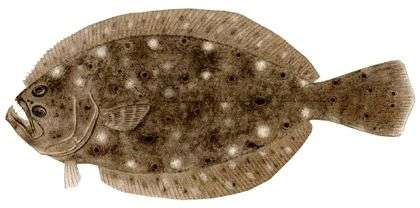
Summer Flounder, or fluke, are the prize of the flatfish world and a real challenge for anglers looking to test their skills. These ambush predators lie buried in sand waiting for bait fish to swim by, and hooking one requires patience and technique. Keeper-sized flounder (over 15 inches) are a real trophy, and the bigger fish often exceed 20 inches. They're fantastic eating and provide a different style of fishing that many guests find addictive.
King Mackerel are the apex predators of the inshore scene, capable of reaching 20-40 pounds or more. When conditions are right and the kings are moving through, expect heart-pounding runs and aerial displays that'll have you talking about the trip for months. These fish require heavier tackle and more aggressive techniques, but the payoff is worth it. Kings are typically more common during warmer months when bait fish are abundant near the beach.
Redfish, or red drum, are the inshore slam species that every angler wants to check off their list. These copper-colored fighters are known for their bulldogging runs and stubborn fights in shallow water. Reds are excellent eating in the slot size (18-27 inches) and provide some of the most exciting sight-fishing opportunities when conditions allow. They're year-round residents in these waters, making them a reliable target species regardless of season.
Time to Book Your Spot
Captain Jacob's half-day trips book up fast, especially during peak season, and there's a good reason why. You're getting a top-rated charter experience with personalized attention, quality gear, and a captain who genuinely cares about putting you on fish. Four hours gives you enough time to try different techniques and locations without feeling rushed, and the three-person limit means everyone gets plenty of action. Whether you're a seasoned angler looking to learn local waters or someone who hasn't wet a line in years, this trip delivers the goods. The memories you'll make and skills you'll learn are worth every penny, and there's a good chance you'll be calling to book your next trip before this one's even over.
Learn more about the species
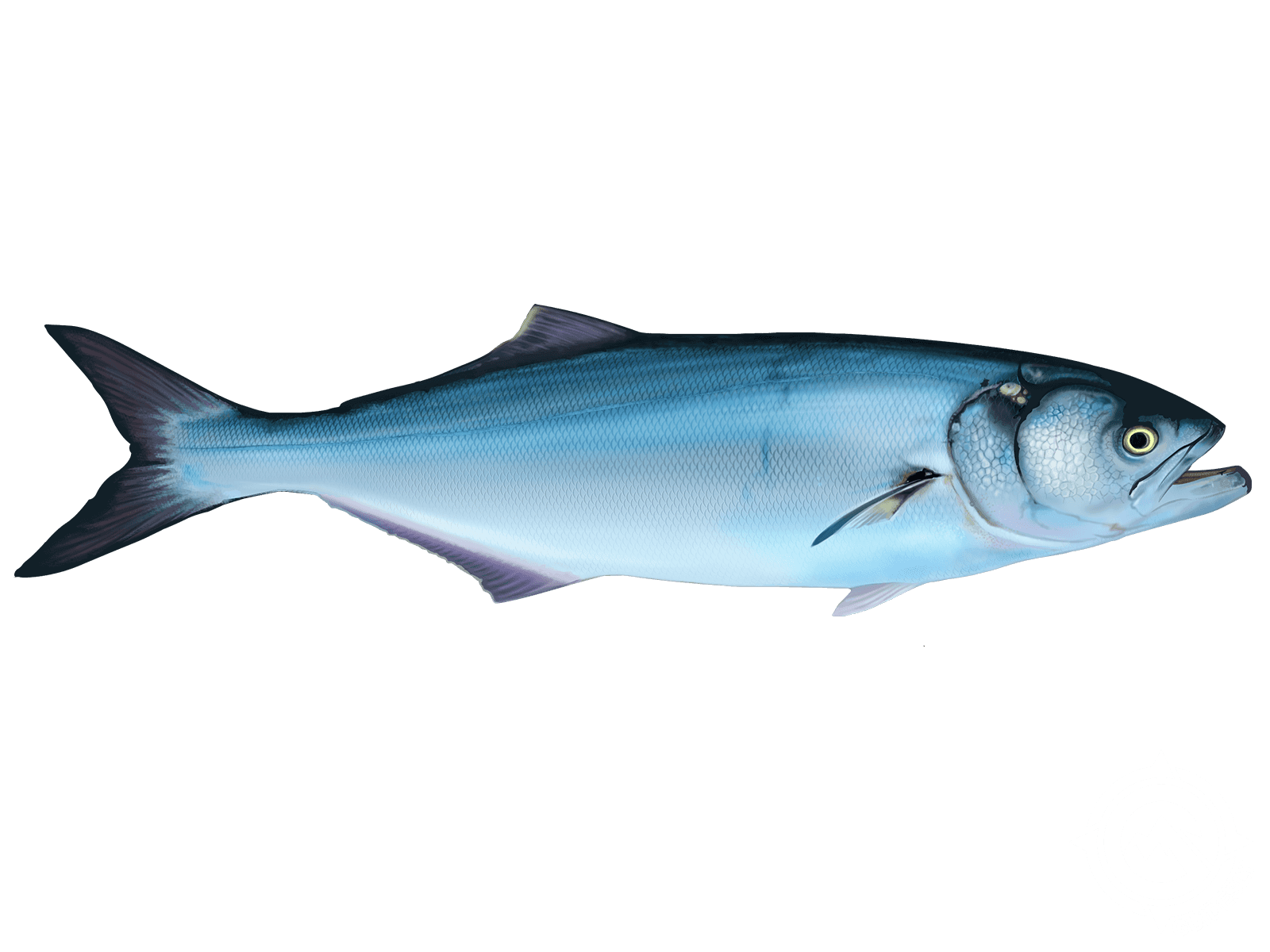
Bluefish
Bluefish are aggressive predators that typically weigh 3-15 pounds around here, though bigger ones show up offshore. They're known for their vicious feeding frenzies - we call them "bluefish blitzes" - where they'll churn up the water attacking baitfish. Look for them around structure, inlet mouths, and wherever you see diving birds. Peak season runs late summer through fall when they're moving south. Blues fight hard with strong runs and head shakes that'll test your drag. They're great table fare when handled properly - bleed them right away and keep them cold. The key to finding them is watching for bird activity and surface commotion. Once you locate a school, work fast with shiny spoons or cut bait because they can disappear as quickly as they arrive.
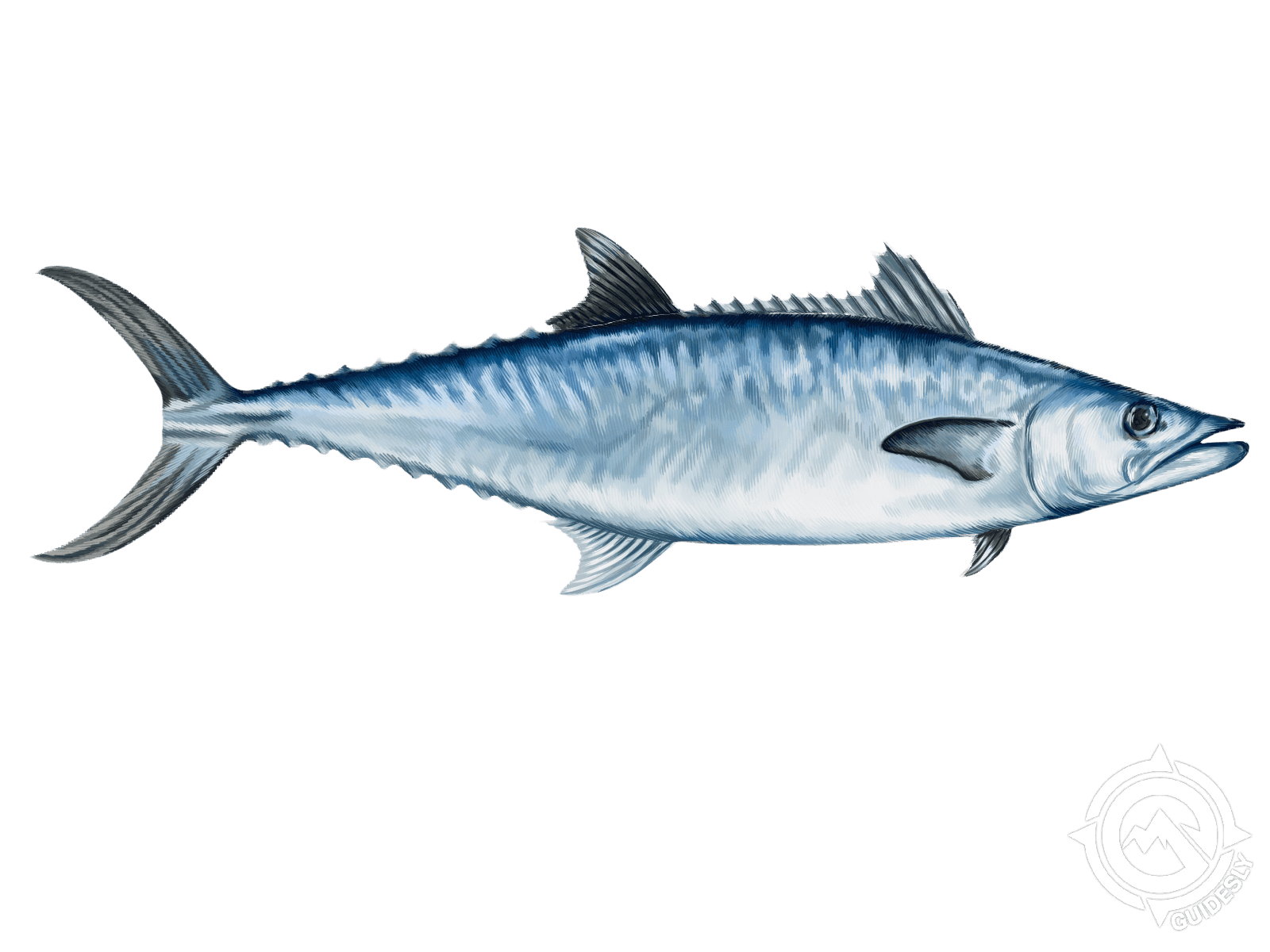
King Mackerel
King mackerel, or kingfish, are the speed demons of our waters, typically weighing 15-30 pounds with some reaching 50+. These olive-backed torpedoes cruise deeper waters from 40-150 feet, often around structure or temperature breaks. Peak season runs late spring through early fall when water temps hit the mid-70s. Kings are prized for their blistering runs that can strip line in seconds - it's pure adrenaline when one hits. The fight is all about speed and endurance. They're decent eating when fresh, though the bigger ones can be a bit strong. Most effective technique is slow-trolling live bait on a stinger rig since they typically grab prey from behind. Keep that drag smooth but not too tight - these fish will humble you quick if your equipment isn't dialed in properly.
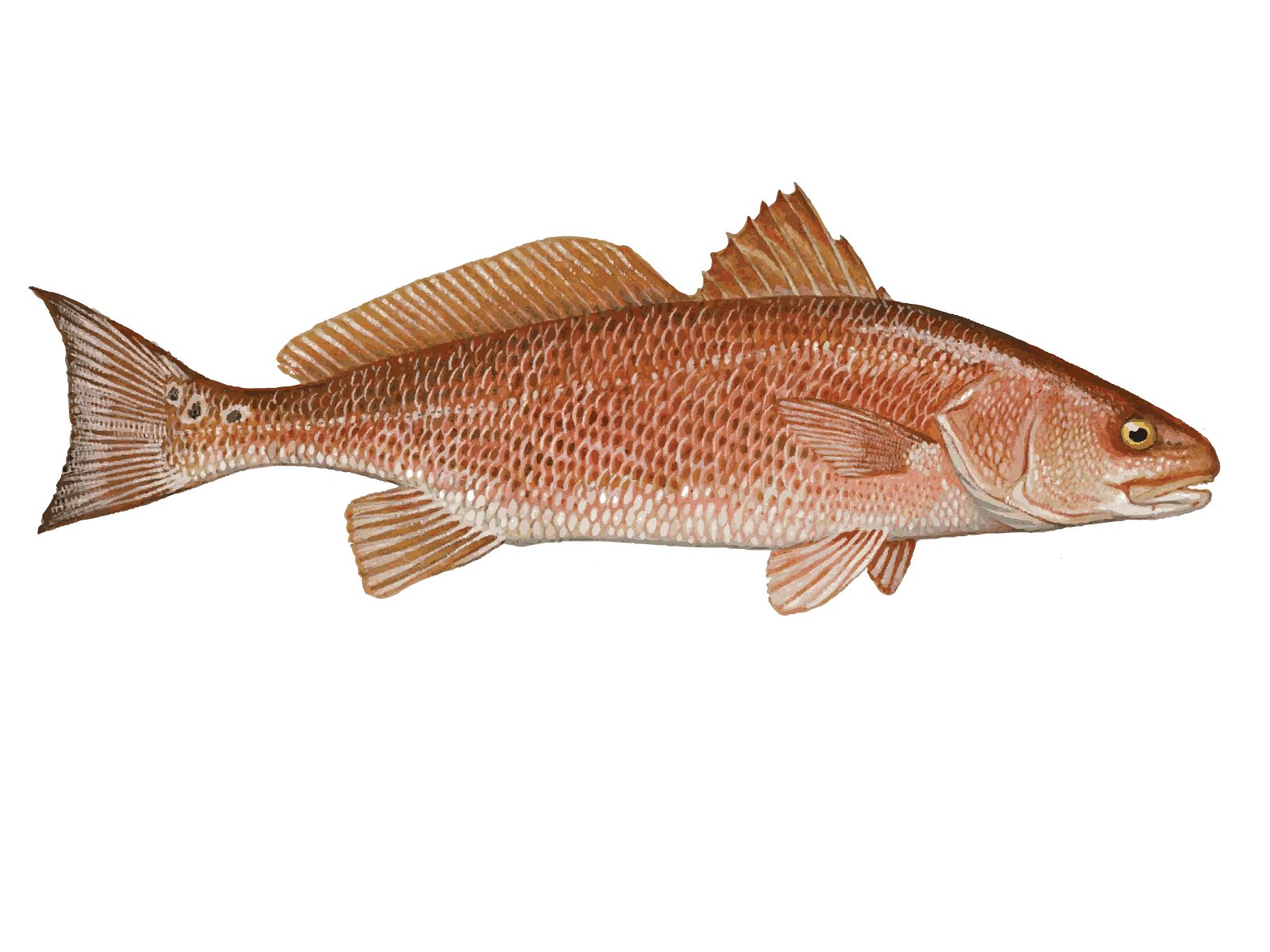
Redfish
Redfish are our signature inshore gamefish, easily spotted by their copper-bronze color and distinctive black spot near the tail. Most slot-sized fish run 18-27 inches, but bull reds over 30 inches pack serious power. They love super shallow water - oyster bars, grass flats, and marsh edges in 1-4 feet where you can actually see their backs. Fall and spring offer the hottest action when they school up heavily. What makes reds special is their aggressive topwater strikes and bulldogging fights in skinny water. They're also excellent table fare with sweet, firm meat. The magic happens on moving tides around structure. Here's the secret: when you see nervous water or tails in the shallows, approach quiet and cast past them - reds spook easily but once hooked, they'll give you a memorable battle.
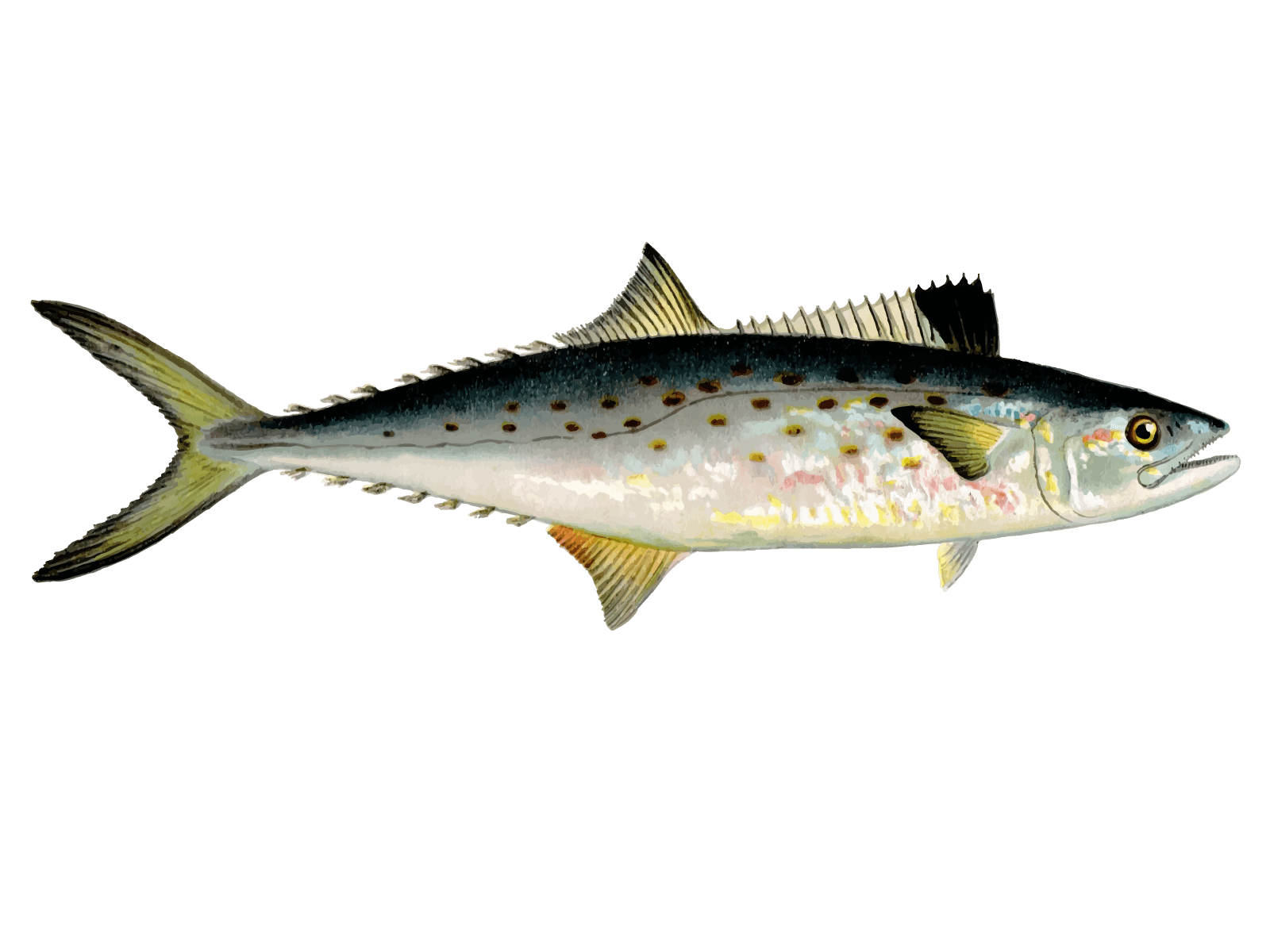
Spanish Mackerel
Spanish mackerel are fast, schooling fish that typically run 1-2 feet long and weigh 2-3 pounds. You'll spot their silvery sides with yellow oval spots as they cruise near the surface in large groups. They love structure like piers and jetties, plus open flats when water temps warm up in late spring through fall. These speedsters put up a scrappy fight for their size, making multiple runs that keep light tackle singing. The meat is excellent - mild, flaky, and perfect for grilling or smoking. Best fishing happens when you see birds working or bait jumping. Pro tip: when you hook one, keep your lure in the water because where there's one spanish, there's usually a whole school nearby ready to bite.
Summer Flounder
Summer flounder, or fluke, are flatfish that lie on sandy bottoms waiting to ambush prey. Most run 15-20 inches, but doormat-sized fish over 5 pounds are what everyone's after. They're masters of camouflage, changing color to match the bottom. You'll find them on sandy flats, around structure, and near inlet mouths in 10-40 feet of water. Best fishing is late spring through early fall when they're in our inshore waters. What makes them special is the challenge - they bite light and spit the bait fast, so you need quick reflexes. Plus, they're some of the best eating fish around with sweet, white meat. My go-to trick is using a bucktail with a strip of squid or gulp, and lifting the rod tip every few seconds to make it dance off the bottom where they can see it.
About the Kencraft 20'
%2F%2Fusers%2Fd9678b86-0651-4fed-8f5a-65faf7610de0%2Fvehicle_picture%2Fjacoblivengoodboat-mrbn7bjw.png&w=1920&q=75)
Vehicle Guest Capacity: 4
Manufacturer Name: Yamaha
Maximum Cruising Speed: 32
Number of Engines: 1
Horsepower per Engine: 115